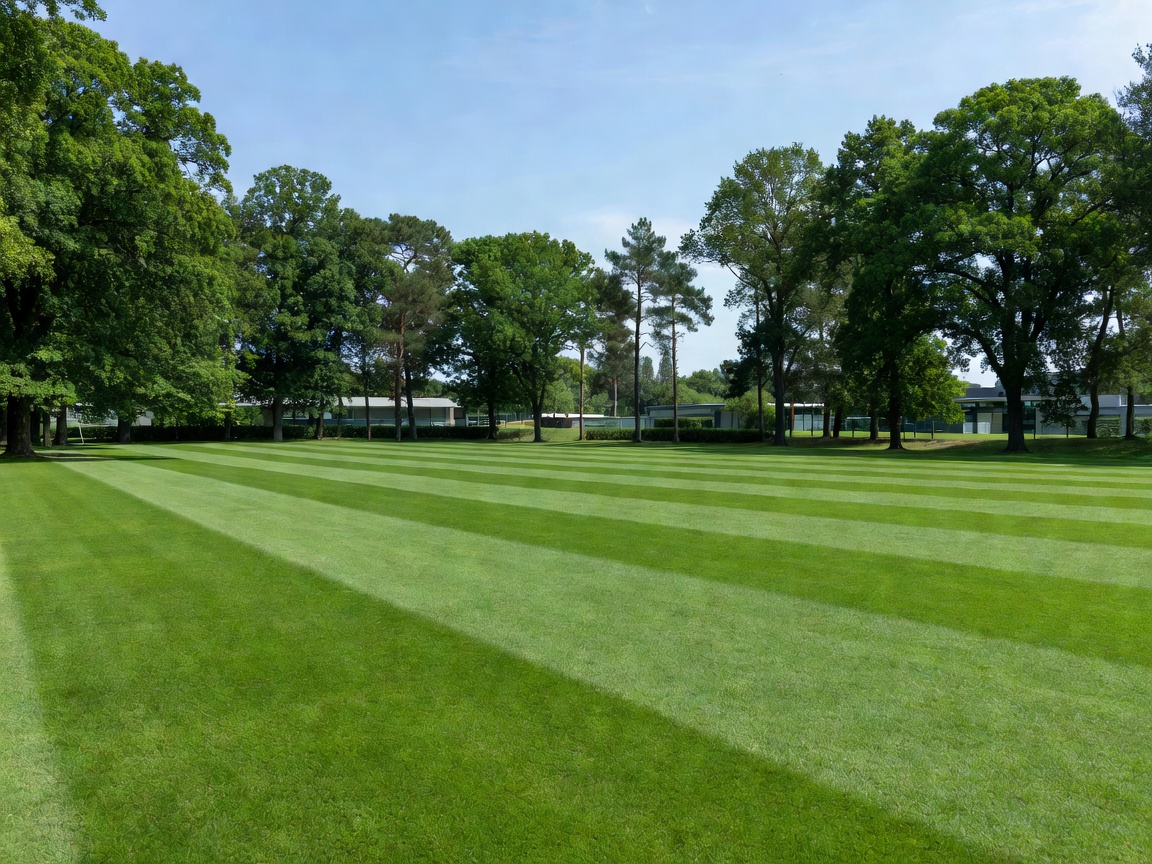
Clairefontaine National Football Institute
The French Football Federation's national institute south-west of Paris, combining boarding, schooling and elite technical coaching for regional prospects.
A clear, research-led look at nine of Europe's most respected youth academies — how they train, where they are based, what their facilities offer and how young athletes are selected.
This guide focuses on nine European academies with strong reputations for developing young athletes: Clairefontaine, Ajax, La Masia, Sporting CP, Bayern Munich, Red Bull Salzburg, Dinamo Zagreb, Benfica and Anderlecht. Start with any of the five guides below.
Club-by-club portraits of all nine academies, their philosophy and what sets each one apart.
Read the profiles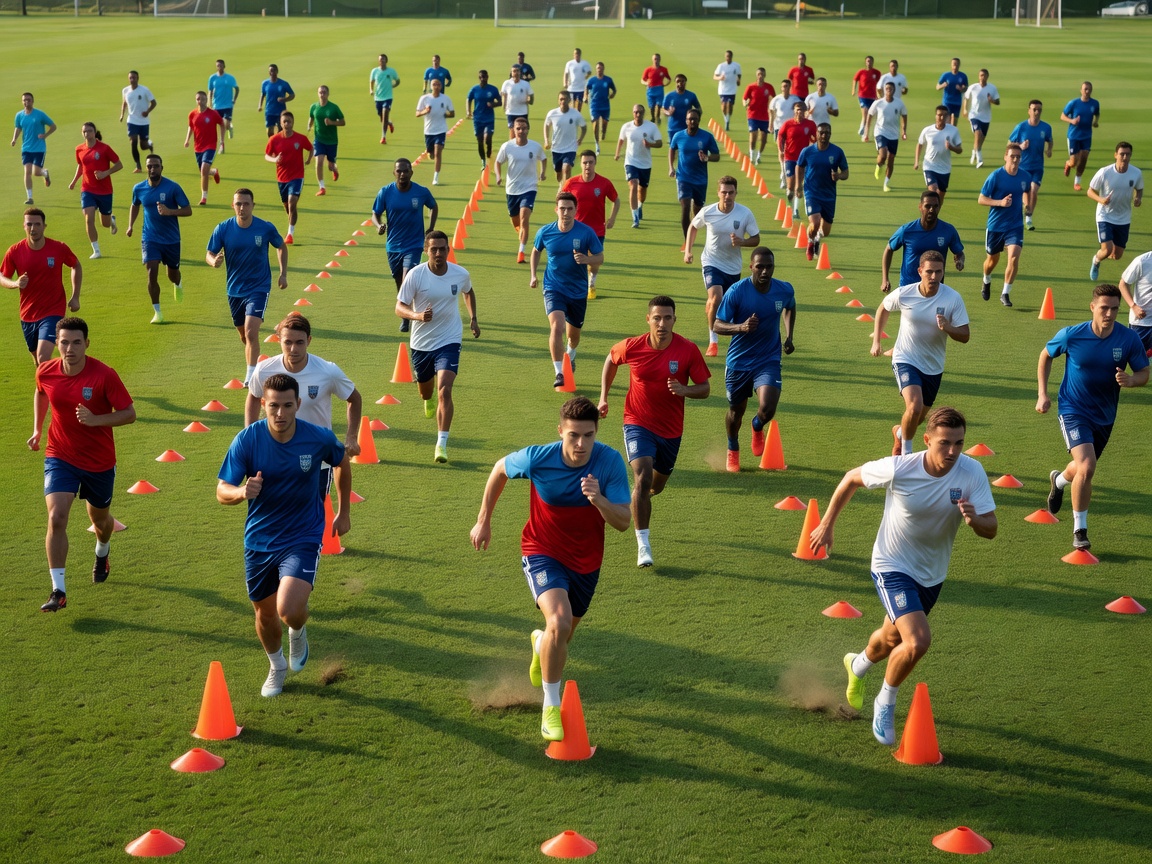
How weekly training, match play and education fit together across age phases.
Explore training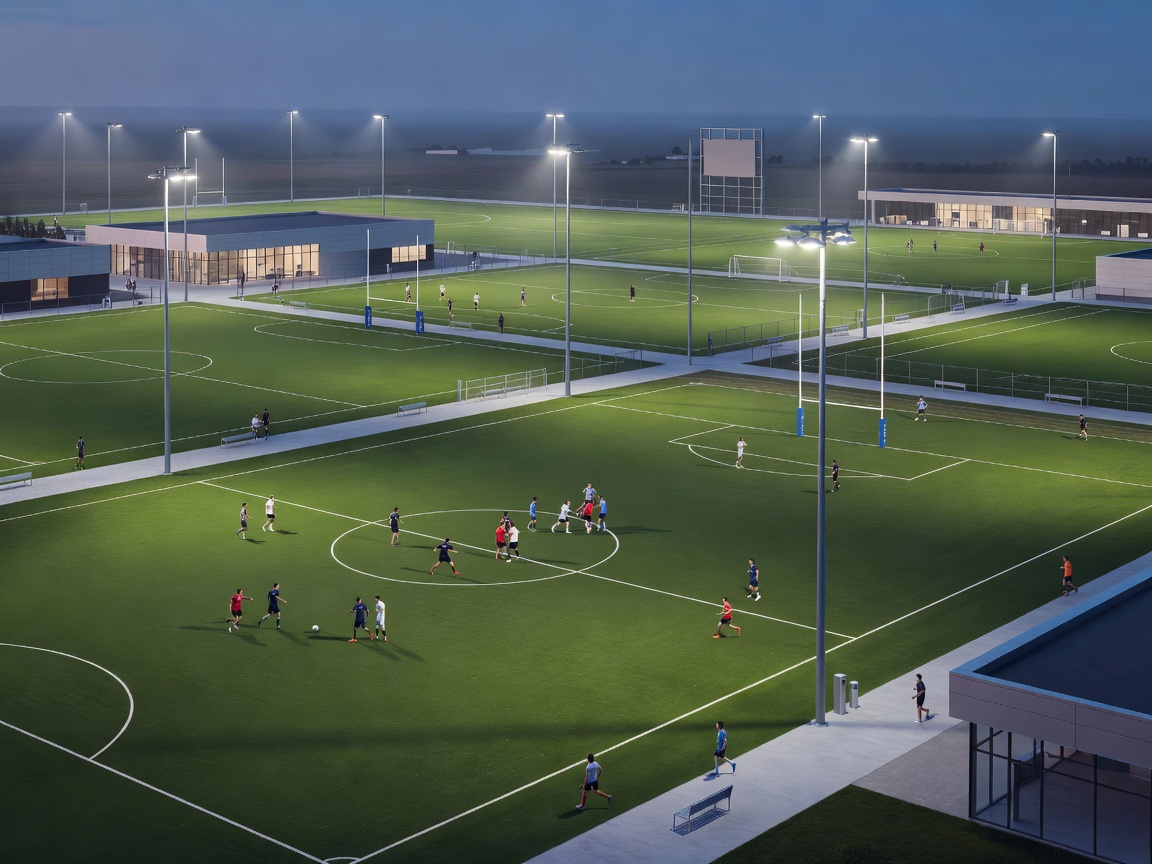
Pitches, residences, sports science and schooling: what a modern academy campus includes.
See facilities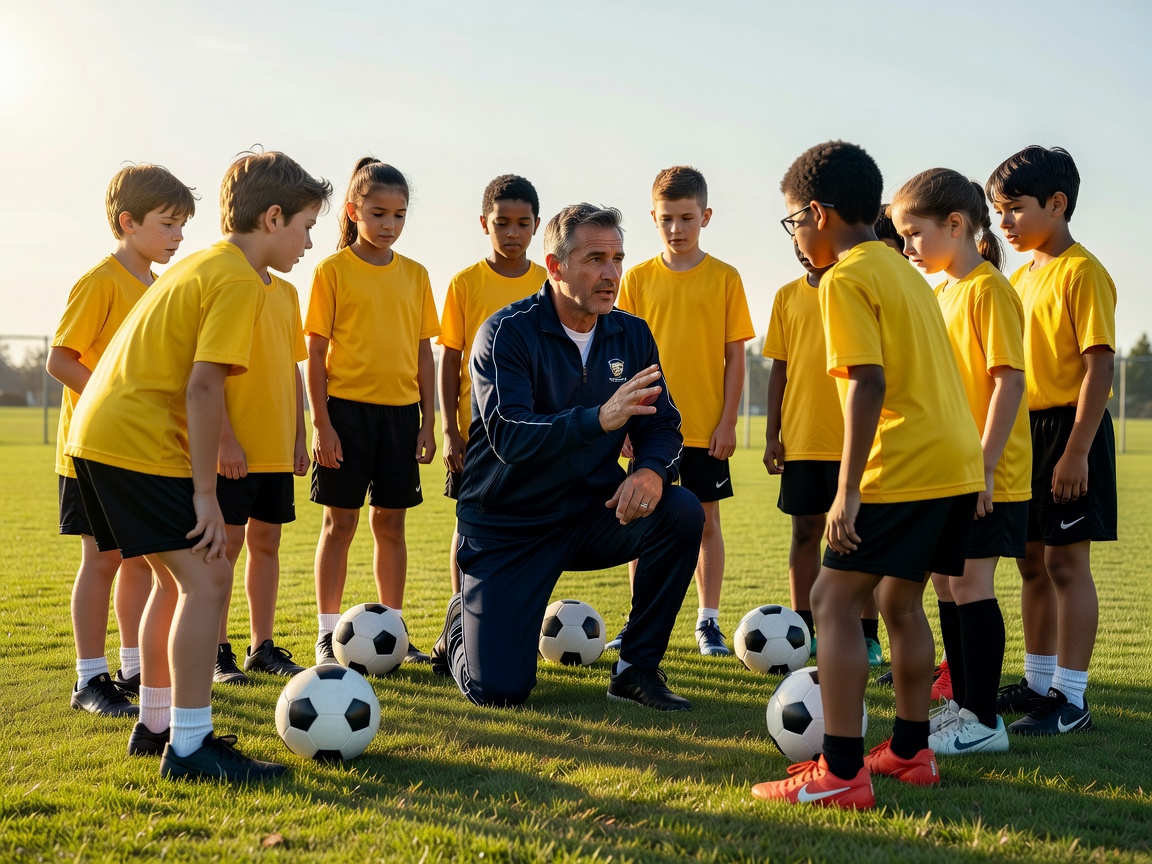
The long-term pathway from grassroots play to professional football and multi-sport foundations.
Understand the pathway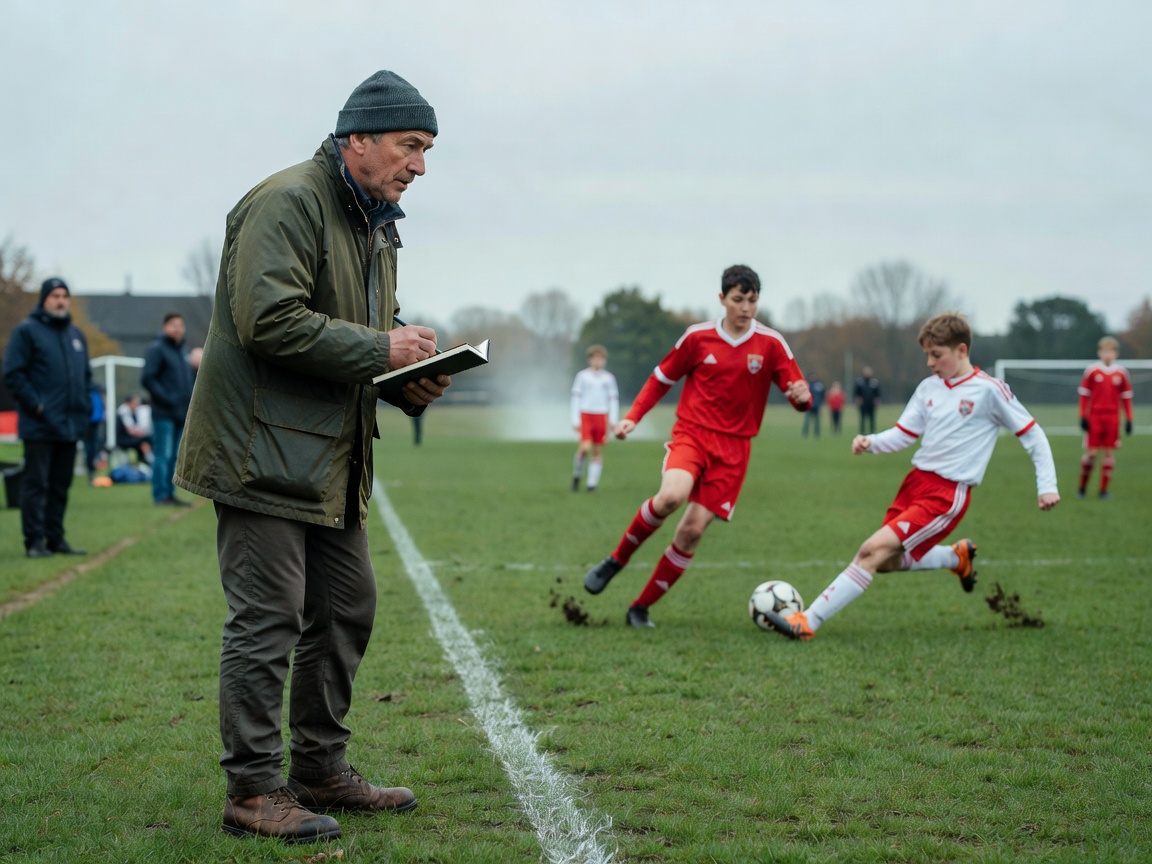
Scouting, trials, eligibility rules and how families should approach an academy invitation.
Learn about selectionEach academy has its own identity, shaped by its club, its country's football culture and the kind of player it aims to develop. Listed in no particular order.
The French Football Federation's national institute south-west of Paris, combining boarding, schooling and elite technical coaching for regional prospects.
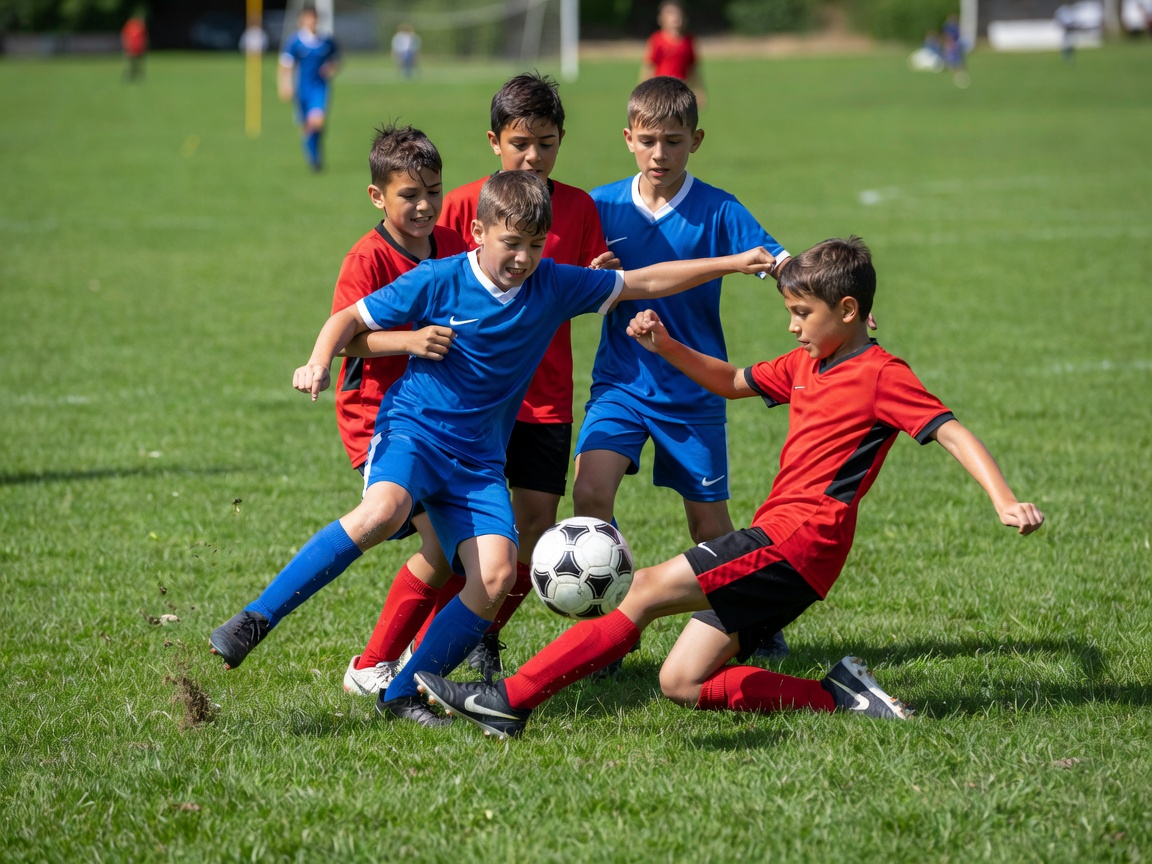
Based at De Toekomst in Amsterdam, known for technical excellence, tactical insight and a clear pathway to the first team.
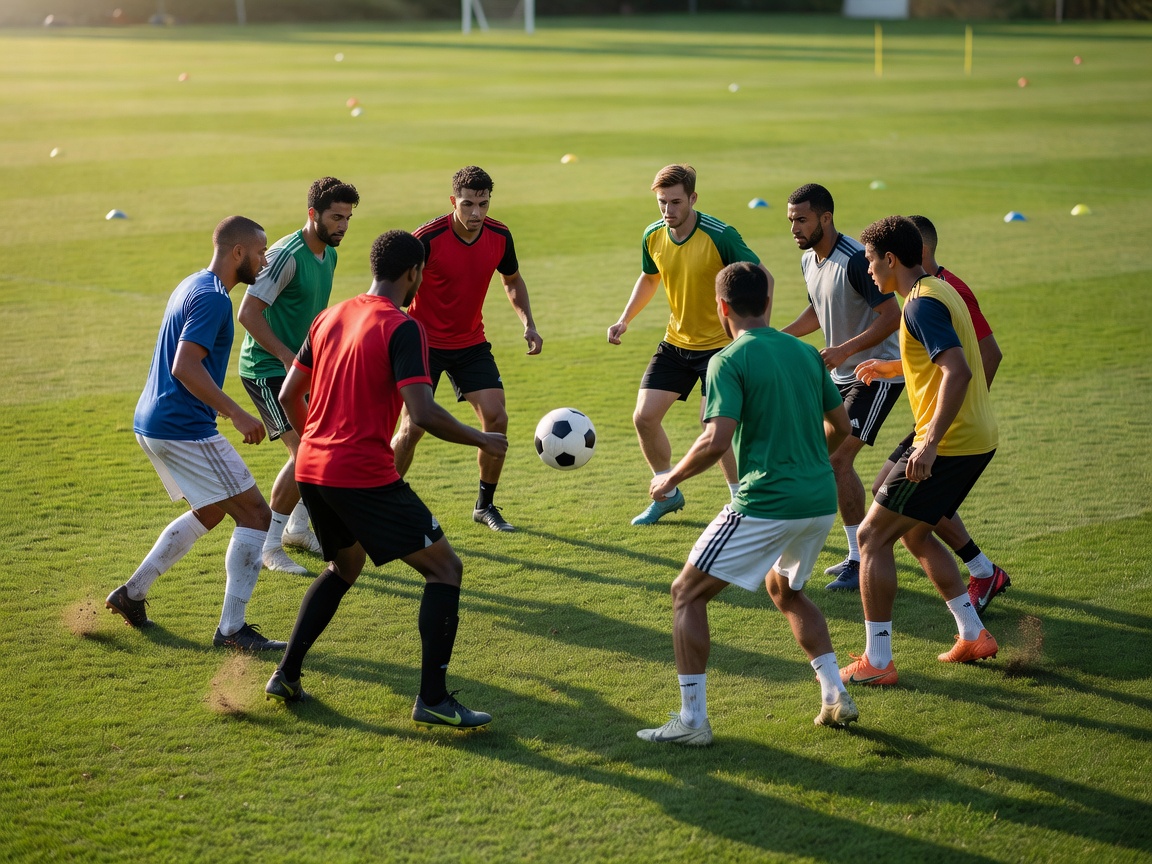
FC Barcelona's academy, famous for positional play, rondos and a consistent playing identity from the youngest teams upward.
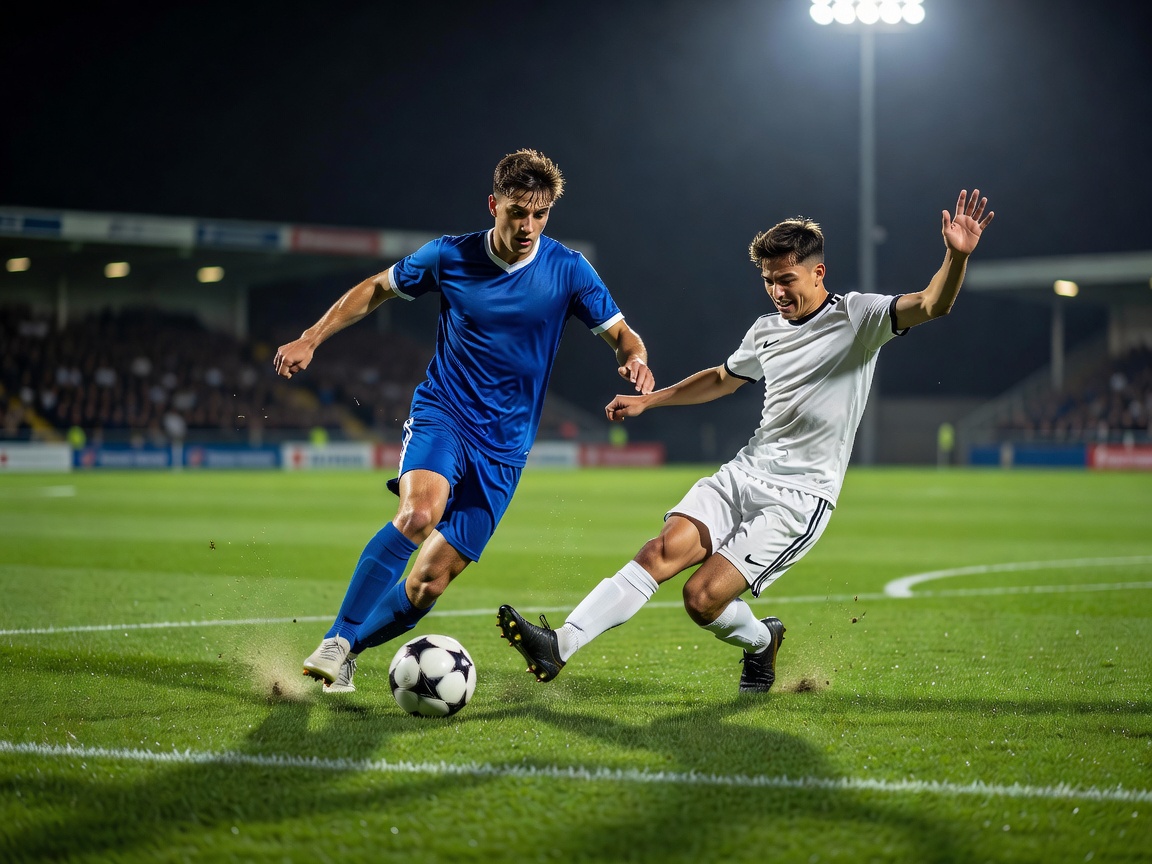
Sporting's academy in Alcochete, recognised for developing creative, confident attacking players.
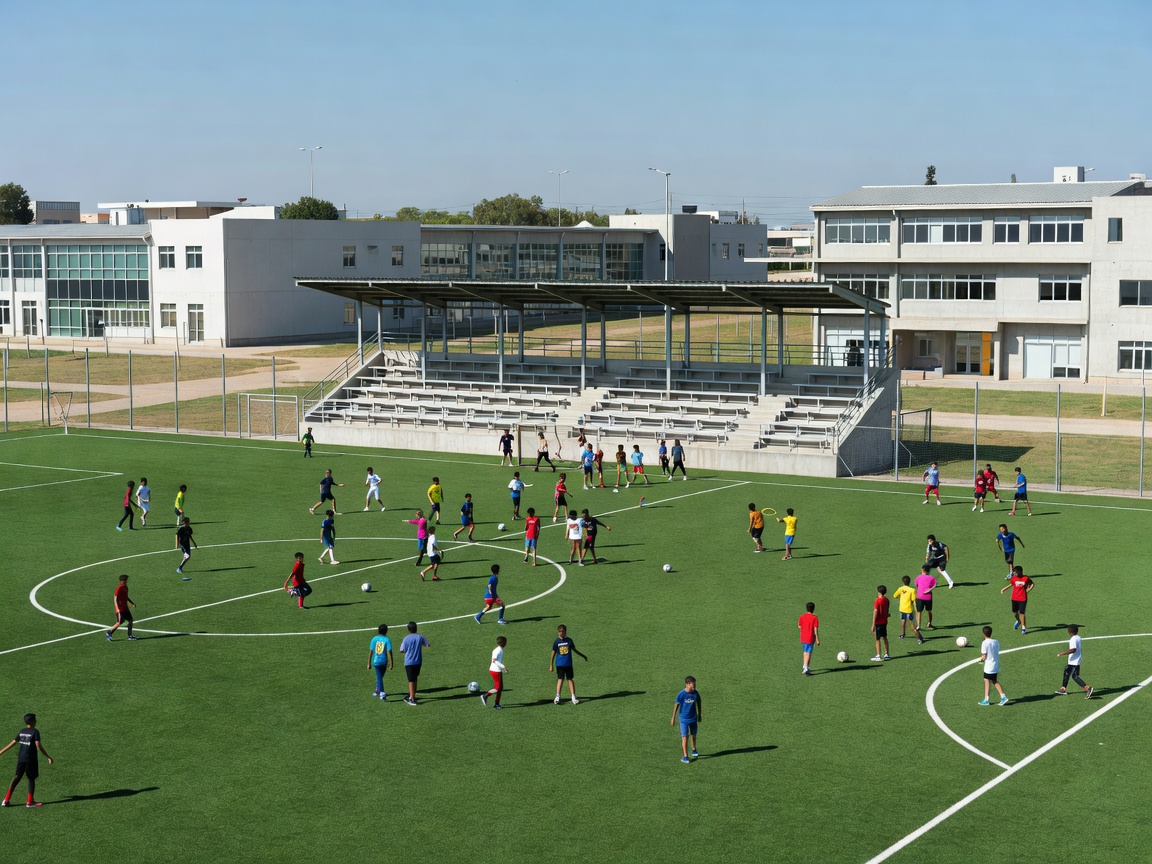
FC Bayern's purpose-built youth campus in northern Munich, with modern pitches, residence and performance support.
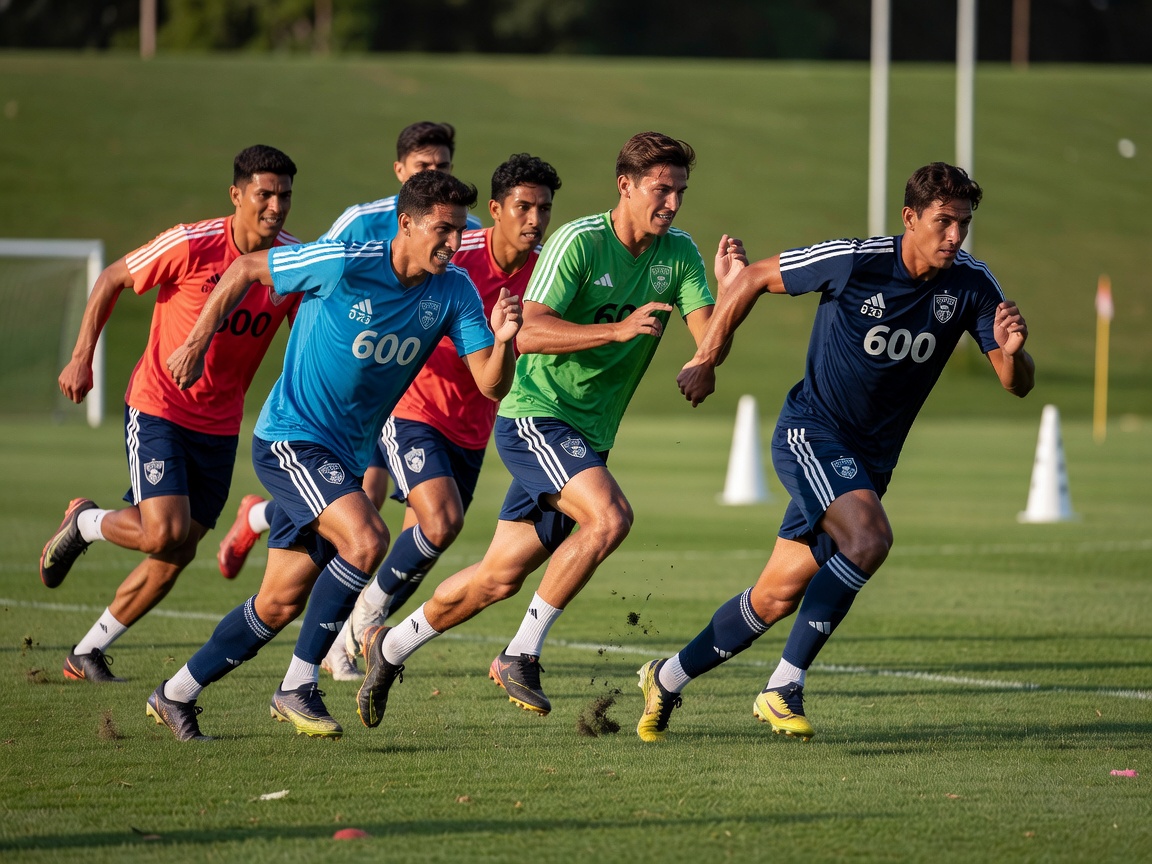
A high-intensity academy near Salzburg whose pressing style mirrors the senior team and links to a wider club network.
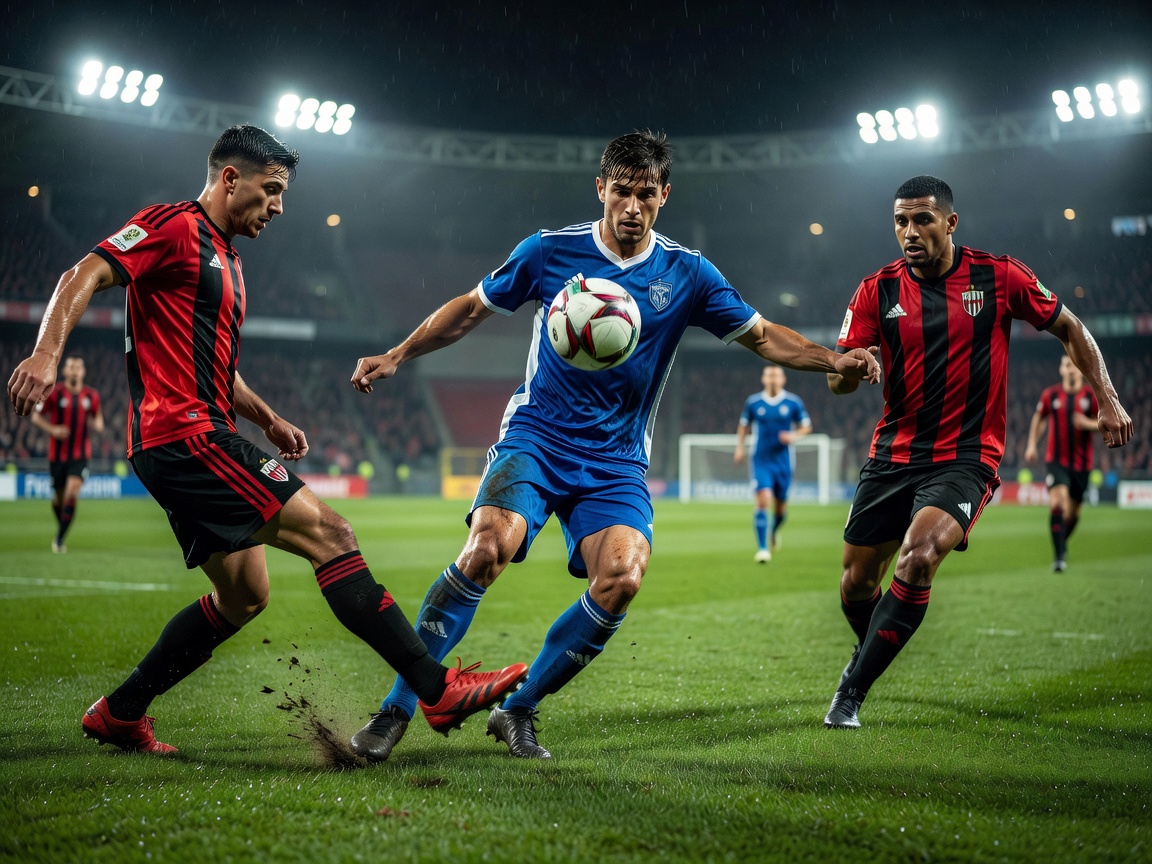
A long-standing Croatian talent hub known for technically gifted midfielders and early first-team opportunities.
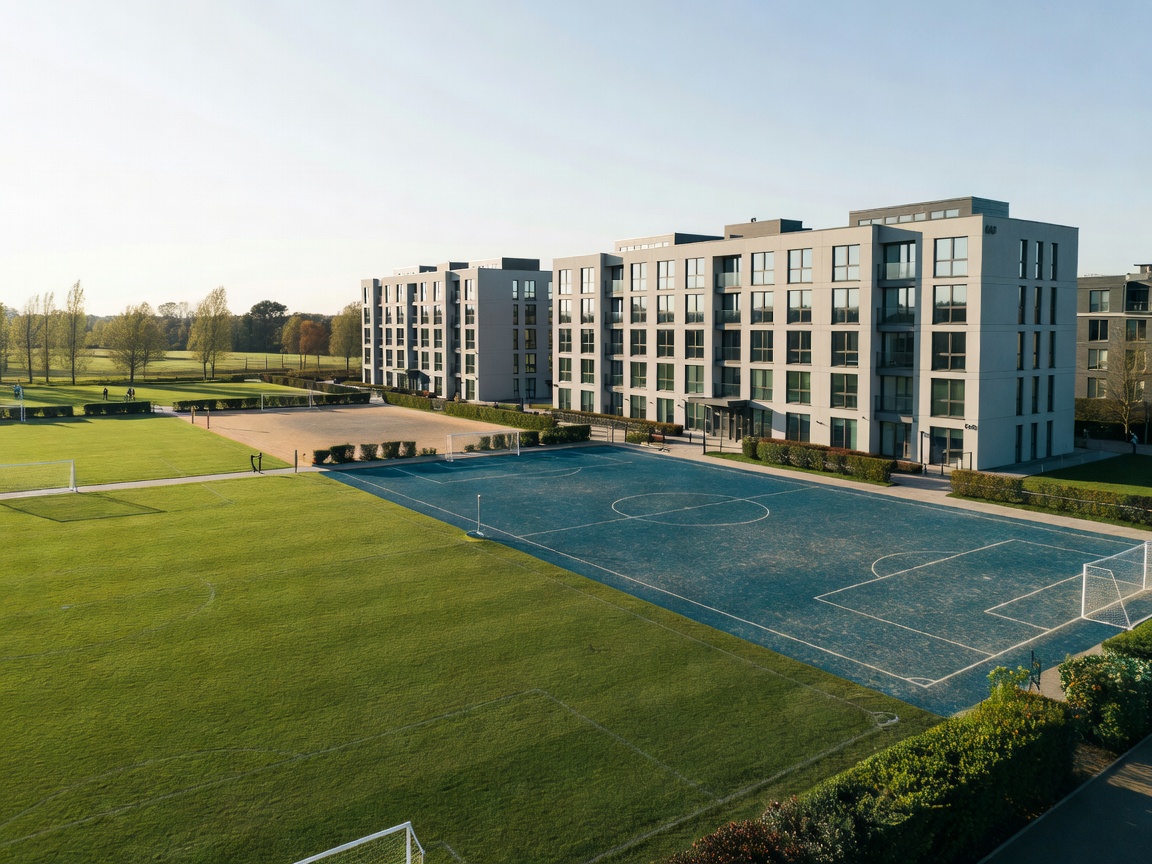
Benfica's training and residence complex in Seixal, integrating football, education and player welfare.
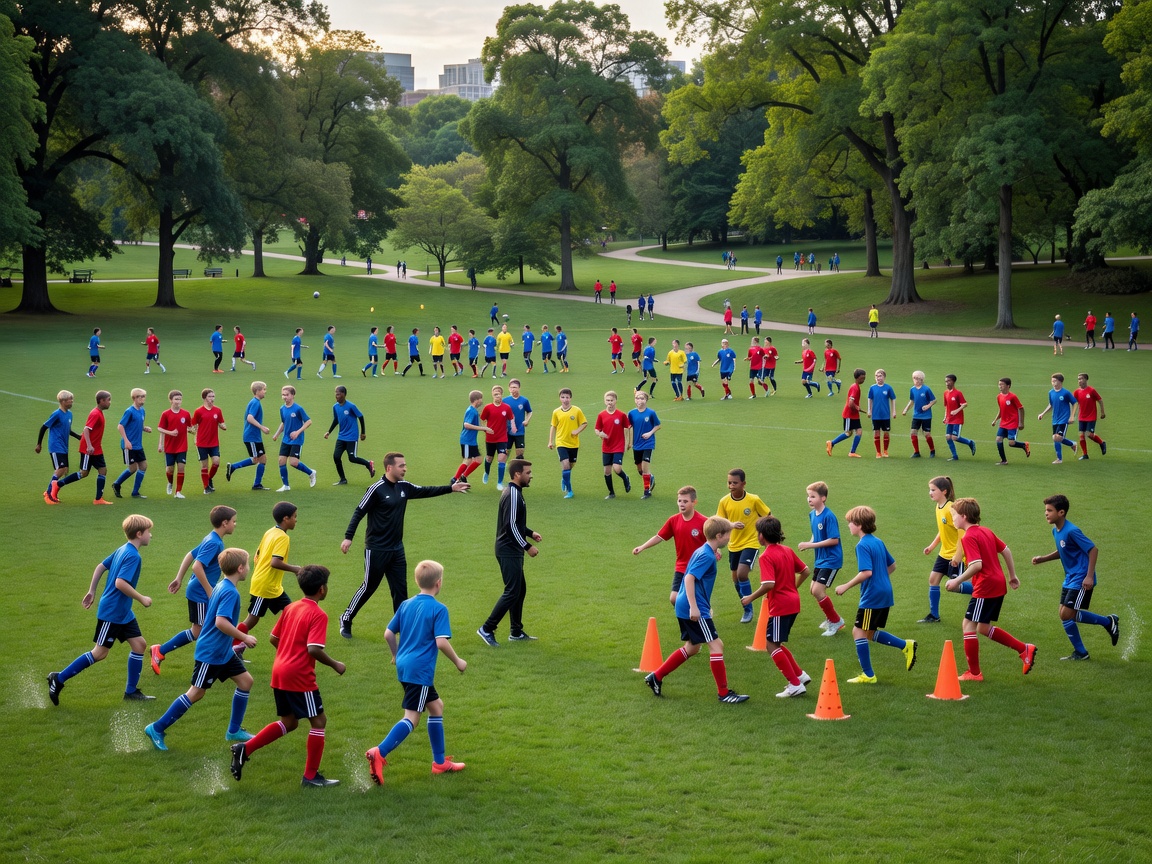
Anderlecht's youth academy at Neerpede in Brussels, a cornerstone of Belgian youth football.
Full academy profilesFootball is the core of every academy in this guide, but the principles of good development apply across sports.
The core focus of all nine academies, from technical foundations to professional preparation.
Clubs such as FC Barcelona, Benfica, Sporting CP and Bayern Munich also run basketball sections with youth pathways.
Not offered by these football academies; we outline what to look for in specialised European tennis programs.
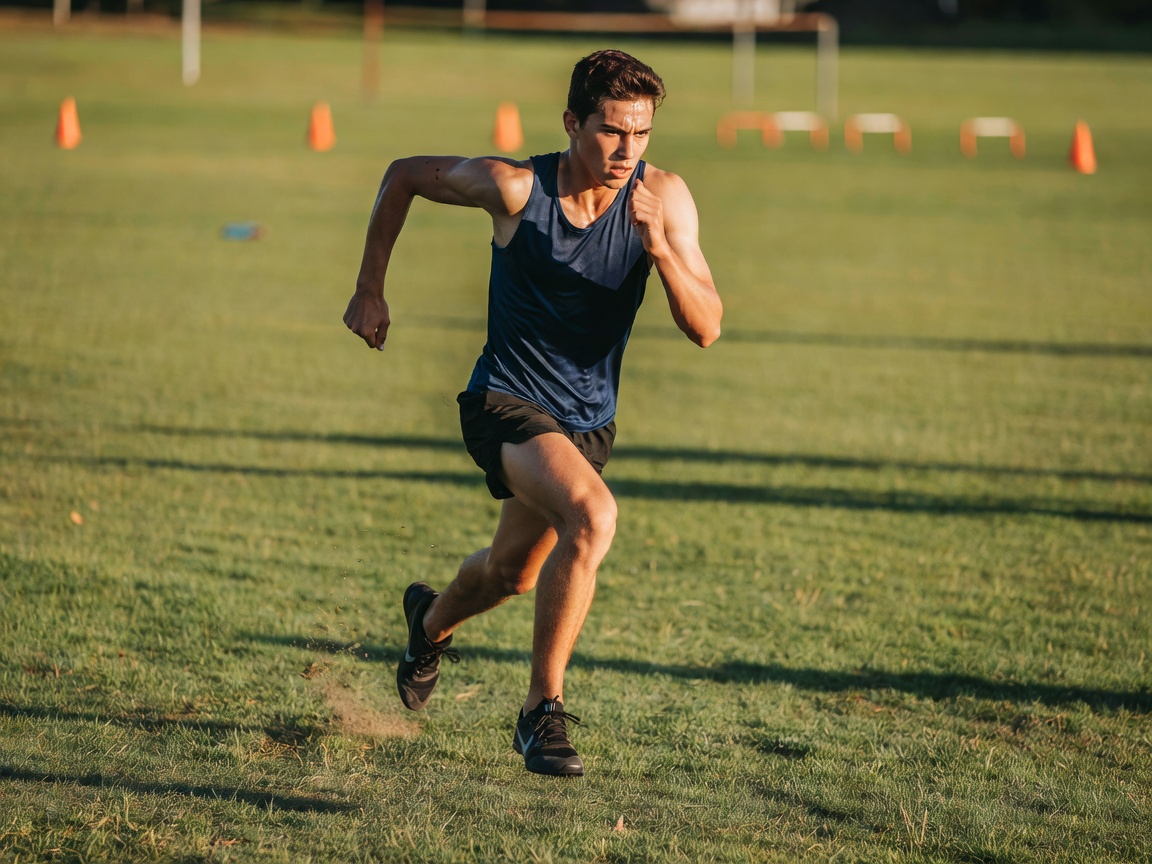
Multi-sport clubs like Benfica and Sporting CP maintain athletics sections, and sprint and agility work supports every footballer.
Broad movement education in the early years builds coordination, resilience and enjoyment before specialisation.
Most leading academies organise training in phases that match a player's age and stage of development.
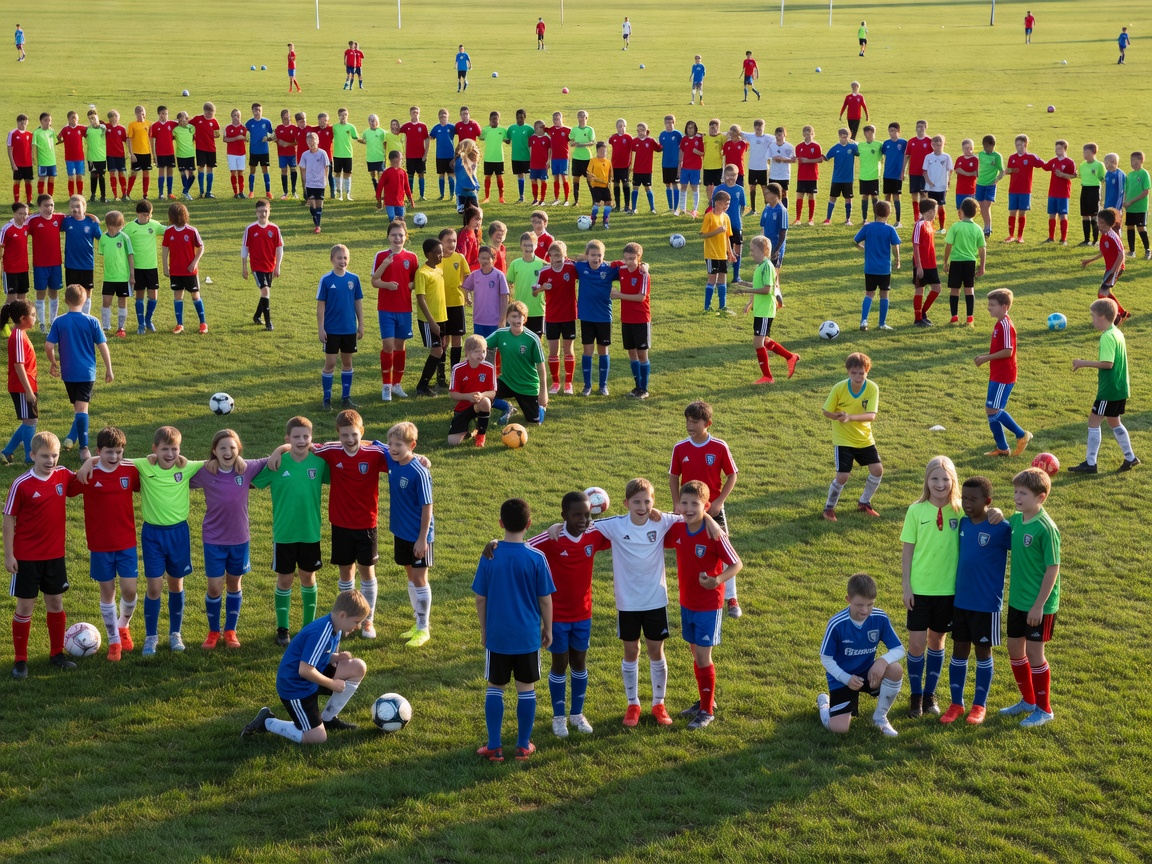
Fun, ball mastery and coordination. Small-sided games give young players many touches and decisions in every session.
Tactical understanding, positional roles and team principles are layered onto technique, with competitive matches at weekends.
Training mirrors the senior team's demands: intensity, tactical detail, strength work and preparation for professional football.
School, rest, nutrition and recovery are scheduled around training so that sport and study support each other.
The best environments bring training, living, learning and recovery together in one place.
A mix of natural grass and artificial surfaces, often with floodlighting and indoor areas so training continues in every season.
Supervised accommodation for players who live too far away to travel daily.
Classrooms, study rooms and links with local schools to keep education on track.
Gyms, physiotherapy, recovery areas and medical staff to support healthy growth.
Video analysis rooms and performance tracking help players review and improve.
Facilities guideGood academies see development as a journey. Welfare, education and enjoyment matter as much as results on the pitch.
Enjoyment, movement skills and lots of time on the ball, often alongside other sports.
Understanding space, roles and teamwork while technique becomes more refined.
Higher intensity, physical preparation and competitive matches against strong opposition.
Training with senior players, reserve or partner teams and preparation for a professional career.
Facilities help, but coaching quality and consistency are what shape a young athlete.
Every age group follows the same principles of play, so players progress without relearning the basics.
Licensed coaches work alongside goalkeeping, strength, nutrition and psychology specialists.
Players receive personal goals and regular feedback, not just team instructions.
Open dialogue with parents and schools keeps the whole support network aligned.
Nine academies across eight countries, from the Atlantic coast to the Adriatic.
Elite academies mostly recruit by invitation. Understanding the process helps families make calm, informed decisions.
Scouts watch local clubs, tournaments and partner teams. Many players are identified long before they ever apply.
Invited players train with the academy while coaches assess technique, insight, personality and speed.
FIFA's rules on the international transfer of minors and national regulations limit when young players can move abroad.
Families should ask about education, accommodation, safeguarding and what happens if a player is released.
Admission guideA quick reference to where each academy is based, who runs it and what it is known for.
| Academy | Country | Base | Parent organisation | Known for |
|---|---|---|---|---|
| Clairefontaine National Football Institute | France | Clairefontaine-en-Yvelines | French Football Federation | National pre-training institute |
| Ajax Academy | Netherlands | De Toekomst, Amsterdam | AFC Ajax | Technique and tactical insight |
| La Masia | Spain | Sant Joan Despí, near Barcelona | FC Barcelona | Positional play |
| Sporting CP Academy | Portugal | Alcochete | Sporting CP | Creative attacking players |
| Bayern Munich Campus | Germany | Munich | FC Bayern München | Modern integrated campus |
| Red Bull Salzburg Academy | Austria | Salzburg | FC Red Bull Salzburg | High-intensity pressing |
| Dinamo Zagreb Academy | Croatia | Zagreb | GNK Dinamo Zagreb | Technical midfielders |
| Benfica Campus | Portugal | Seixal | SL Benfica | Integrated education and welfare |
| Anderlecht Academy | Belgium | Neerpede, Brussels | RSC Anderlecht | Belgian youth development |
Practical habits any young athlete can build, whether or not an academy ever calls.
Short, regular sessions of juggling, dribbling and passing against a wall build technique faster than occasional long ones.
Basketball, tennis and athletics develop coordination, agility and game awareness that transfer to football.
Sleep, hydration and balanced meals help growing bodies adapt and reduce the risk of injury.
Watch matches with a purpose: follow one position, notice movement off the ball and how space is created.
Academies value players who manage their studies, and education protects every future path.
Listening, asking questions and responding well to feedback are qualities coaches notice immediately.
Most elite club academies recruit mainly through scouting and invitation rather than open applications. Some clubs run open trials or partner programs, so check each club's official website for current opportunities.
Club academies generally do not charge fees to players they recruit. Costs usually arise with commercial camps and private programs, which are separate from the academy pathway. Always confirm terms directly with the club.
The academies in this guide focus on football. However, several of the parent clubs, including FC Barcelona, Benfica, Sporting CP and Bayern Munich, run other sports sections such as basketball, and Benfica and Sporting CP also have athletics sections.
International moves for minors are restricted by FIFA's regulations on the transfer of minors, with only limited exceptions. Families should seek guidance from the relevant national association before making plans.
Very important. Leading academies build education into the weekly schedule, and only a minority of academy players go on to professional careers, so qualifications matter for everyone.
No. Chipperbuddybord is an independent guide and is not affiliated with, endorsed by or sponsored by any club, federation or academy mentioned on this site.