Youth development is a long game. The best academies in Europe know that a talented young player is not a finished product, and that the qualities that shine early are not always the ones that matter most later. This guide looks at how leading academies think about development over many years — and what families can do to support a young athlete, whether or not the professional dream comes true.
Four stages of the pathway
Stage 1 — Play and explore
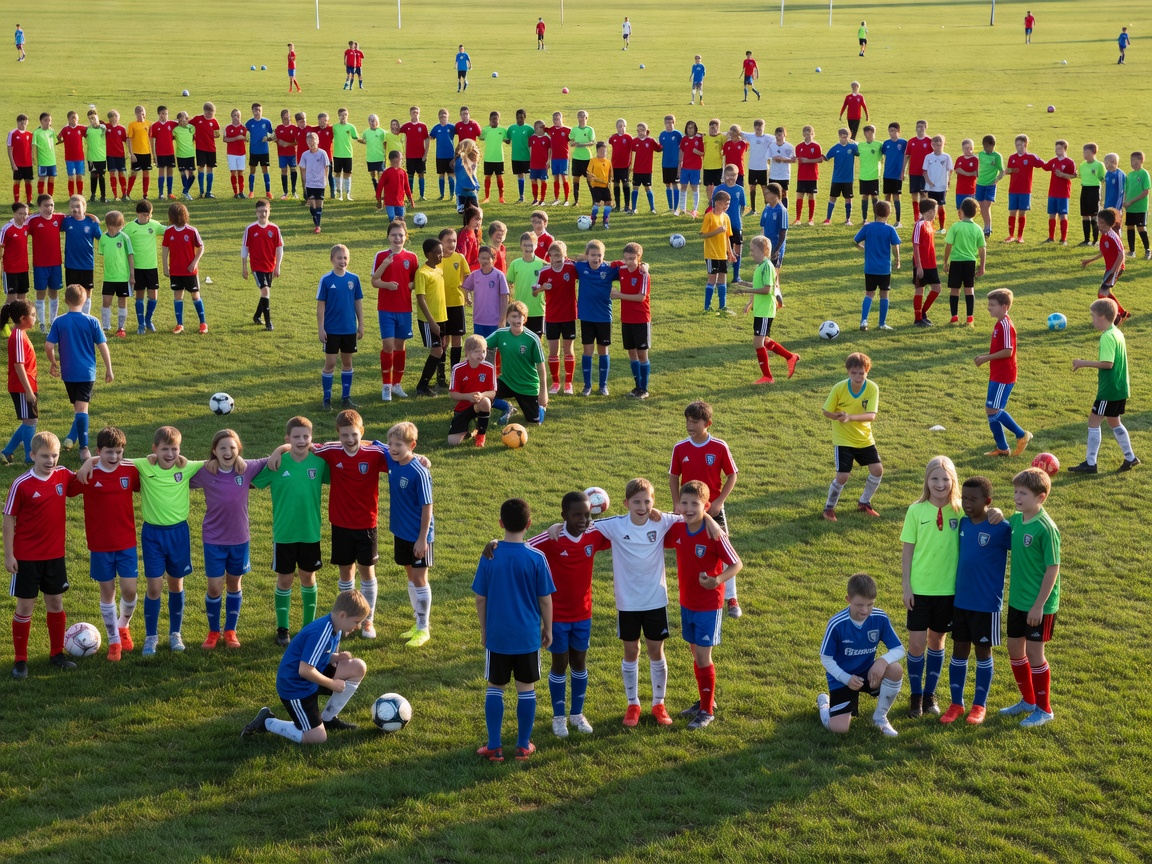
At the youngest ages, the goal is enjoyment, movement skills and lots of time with the ball. Children who love the game keep coming back, and that repetition builds technique naturally.
Stage 2 — Learn the game
Players begin to understand space, roles and teamwork. Technique becomes more refined, and coaches introduce the principles of play that define the academy's identity.
Stage 3 — Train to compete
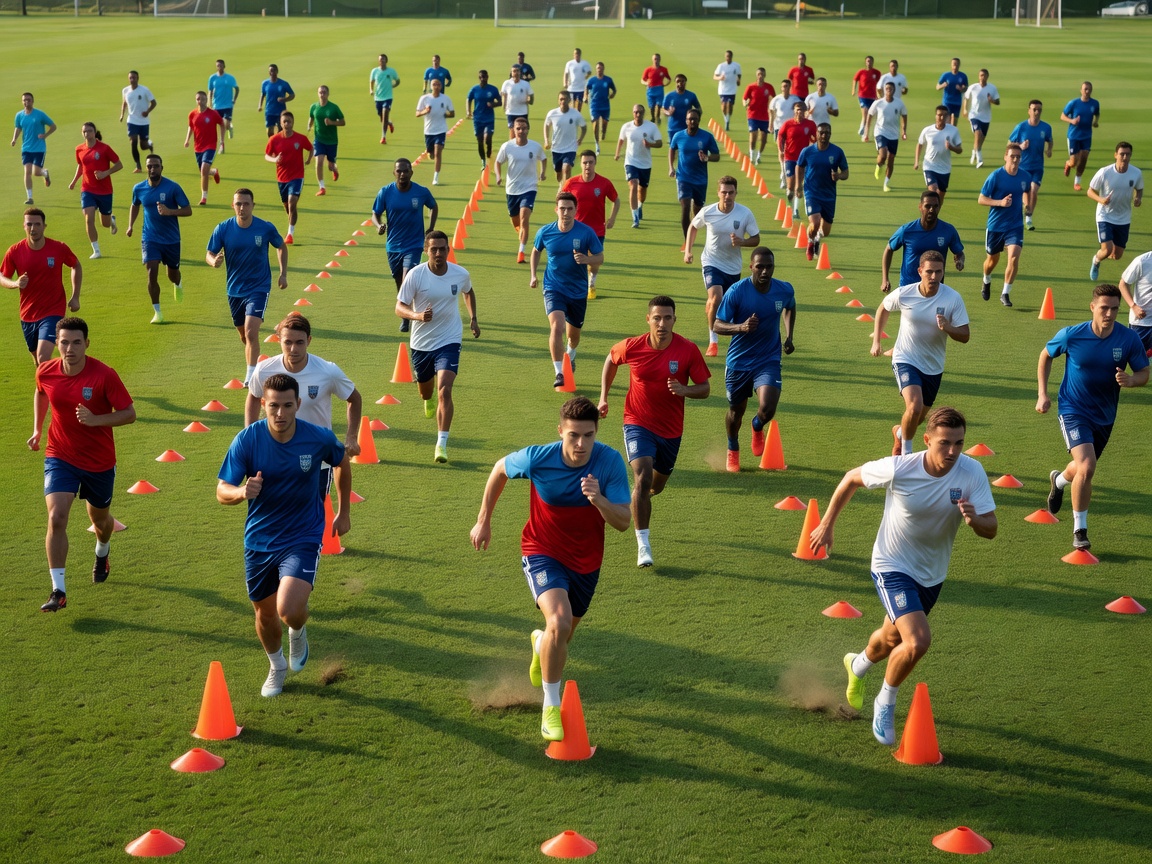
Intensity and physical preparation increase, and matches against strong opposition test players. Learning to handle pressure, setbacks and competition for places becomes part of development.
Stage 4 — Step into the professional game
The final stage bridges youth and senior football, often through reserve, partner or second teams, and eventually training with the first team. Clubs such as Ajax and Dinamo Zagreb are widely associated with giving young players early senior opportunities.
Why multi-sport foundations matter
Many coaches and sports scientists favour a period of sampling different sports before specialising. Basketball, tennis, athletics and other activities develop coordination, balance, agility and decision-making that transfer to football. Sampling also reduces the risk of overuse injuries and burnout. Early specialisation is not automatically harmful, but it should be balanced with variety, rest and enjoyment.
The relative age effect
In youth sport, players born early in the selection year are often physically more mature than teammates born later, and they tend to be over-represented in academies. This is known as the relative age effect. Thoughtful academies account for it by assessing potential rather than only current size and speed, and by being patient with late developers. For families, the lesson is clear: an early "no" is not a final verdict.
Welfare and safeguarding
Player welfare must come first. Families should expect clear safeguarding policies, trained welfare staff, supervised accommodation where relevant, and a straightforward way to raise concerns. Psychological support is increasingly common, helping players manage pressure, homesickness and the ups and downs of selection.
Education as a safety net
Only a minority of academy players go on to professional careers. That is why leading academies build school into the weekly timetable and treat academic progress as seriously as sporting progress. A good education keeps every future path open — coaching, sports science, business or something entirely different.
Planning for release
Release is a normal part of academy football, and good programs prepare for it. Ask how the academy supports players who leave: help finding a new club, continued education, and emotional support. Many players who are released go on to successful careers elsewhere, sometimes after a later growth spurt or a change of environment.
The role of parents
- Focus on effort, learning and enjoyment rather than results.
- Keep communication open with coaches, but let coaches coach.
- Protect sleep, school and time with friends.
- Watch for signs of stress, fatigue or loss of enjoyment.
Early academy entry: pros and cons
Pros
- Access to expert coaching from a young age
- A clear, structured development plan
- Strong training environment and peers
Cons
- Pressure and regular assessment early in life
- Less time for other sports and interests
- Emotional impact if released
Wondering how players enter an academy in the first place? Our admission and selection guide explains scouting, trials and eligibility.