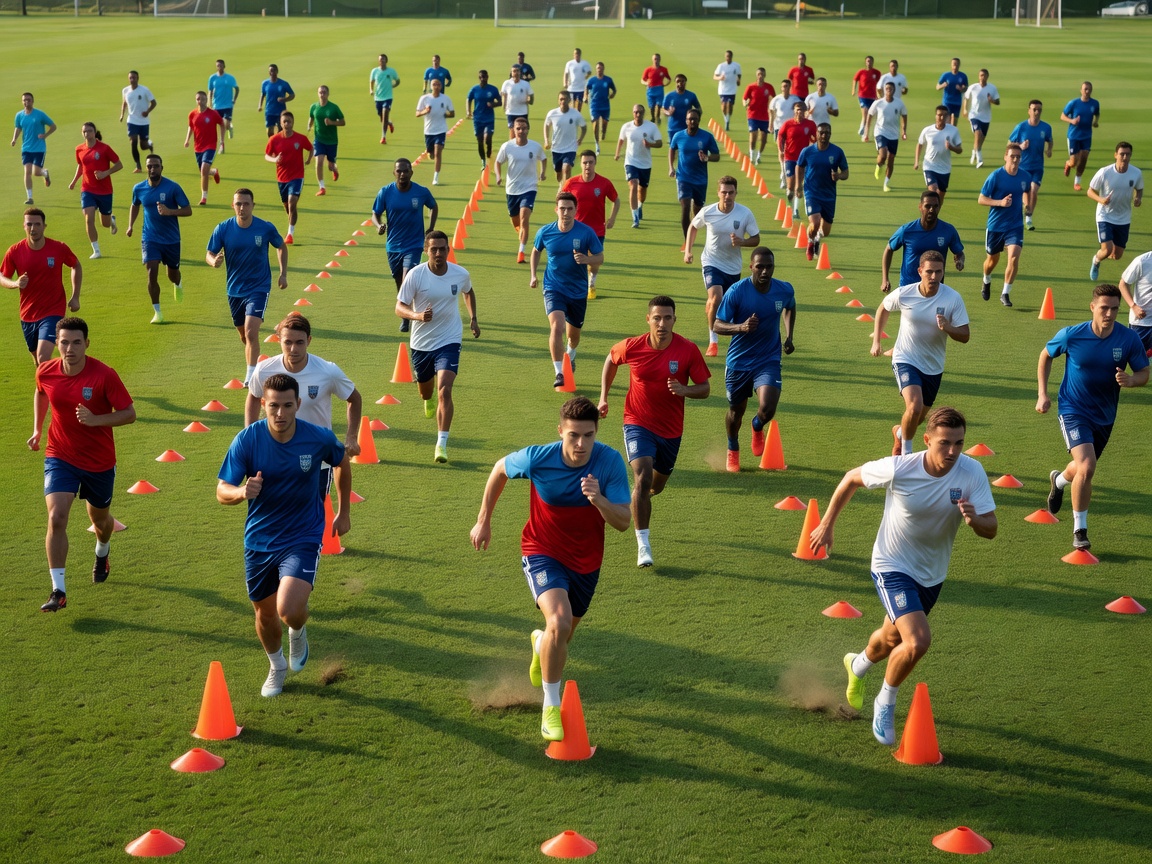
From the outside, academy training can look like simple drills on a pitch. In reality, the leading European academies plan their programs carefully, matching what players do each week to their age, physical maturity and stage of learning. The details differ from club to club, but most follow a similar logic: build technique and enjoyment first, add tactical understanding next, then prepare players for the intensity of senior football.
The three broad phases
Foundation phase
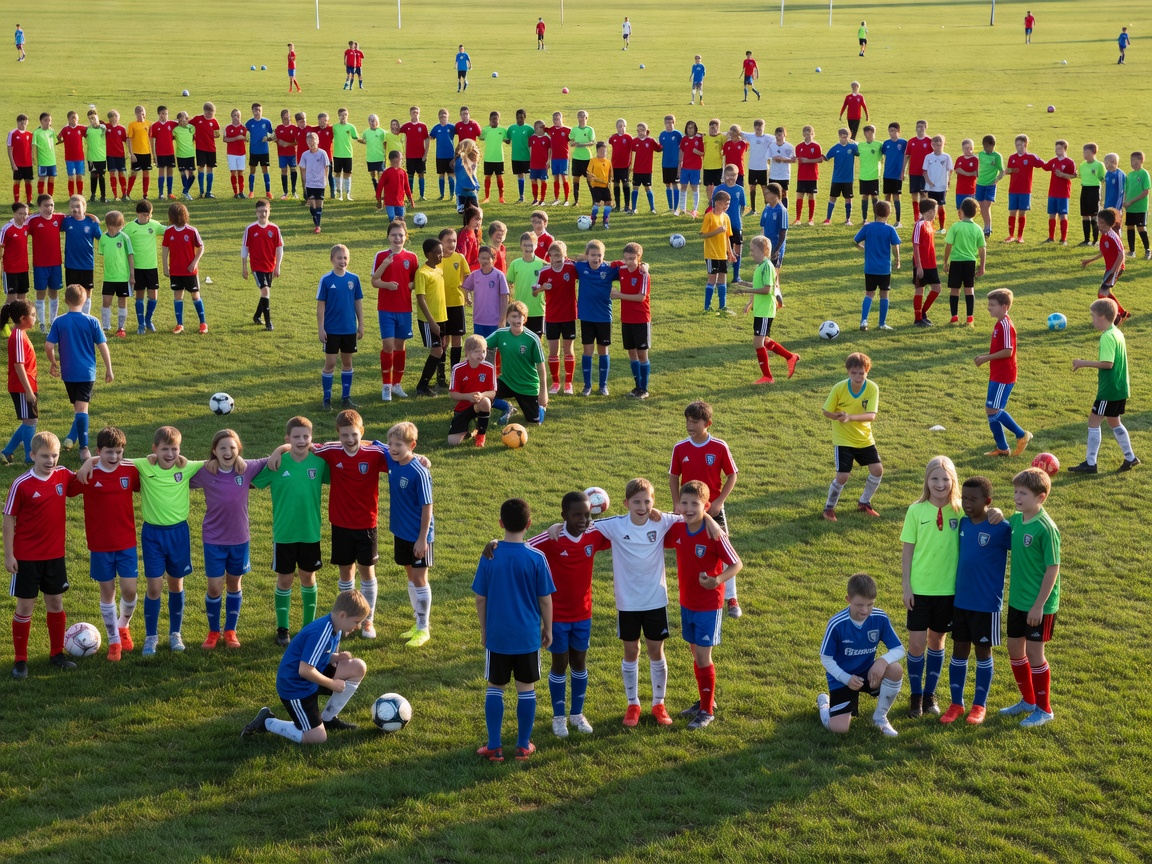
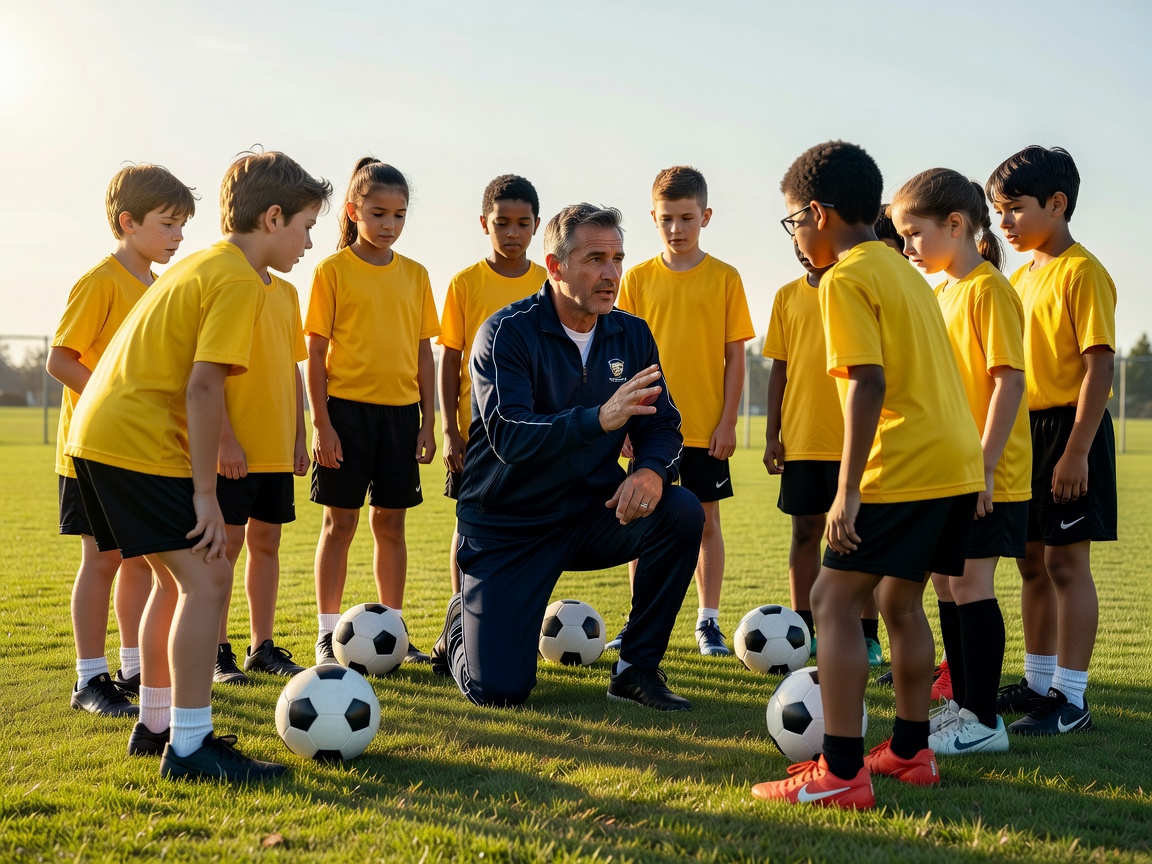
In the youngest age groups, the priority is ball mastery, coordination and love of the game. Sessions are dominated by small-sided games, which give every player many touches and decisions. Coaches ask questions rather than issue long instructions, and results matter far less than learning. Many academies encourage players at this stage to keep playing other sports.
Development phase
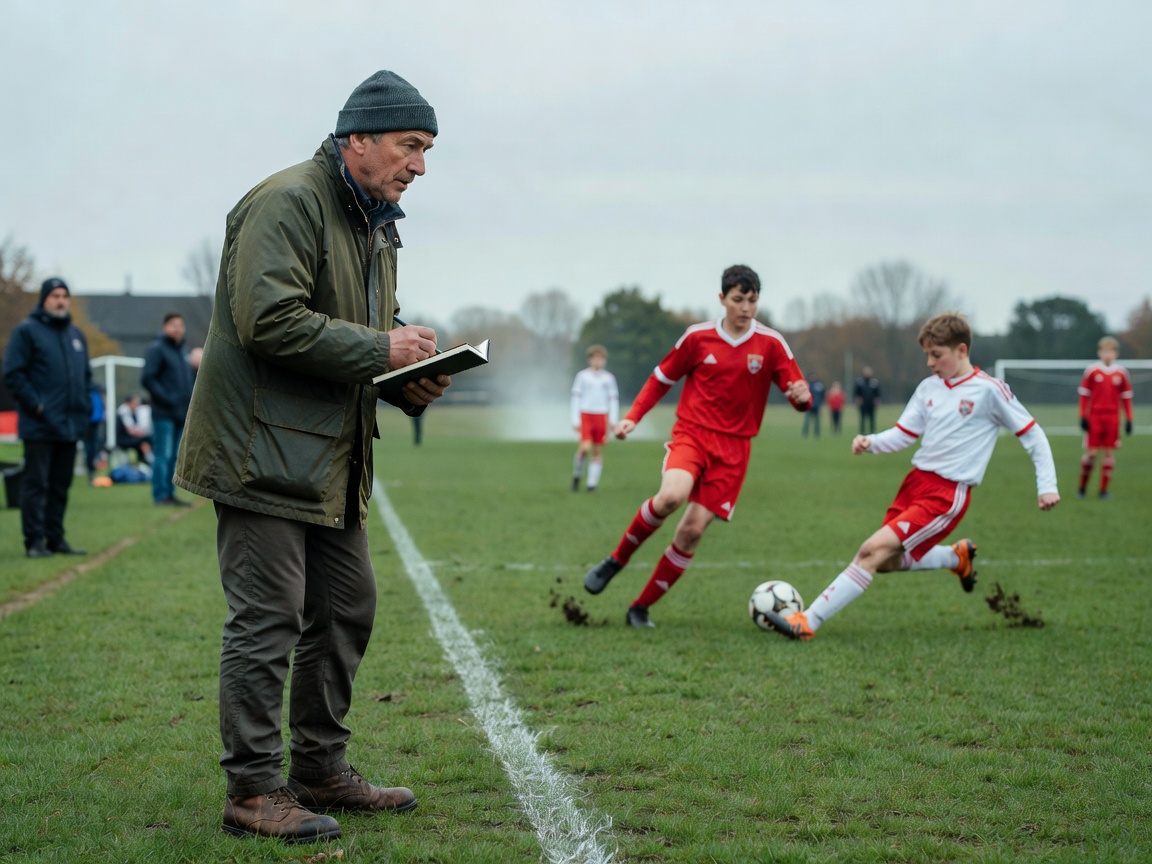
As players grow, training adds positional roles, team principles and a deeper understanding of space. This is where an academy's identity becomes visible: rondos and positional games at La Masia and Ajax, one-against-one duels that Sporting CP is known for, or the pressing and quick transitions associated with Red Bull Salzburg. Competitive matches, usually at weekends, become an important learning tool.
Performance phase
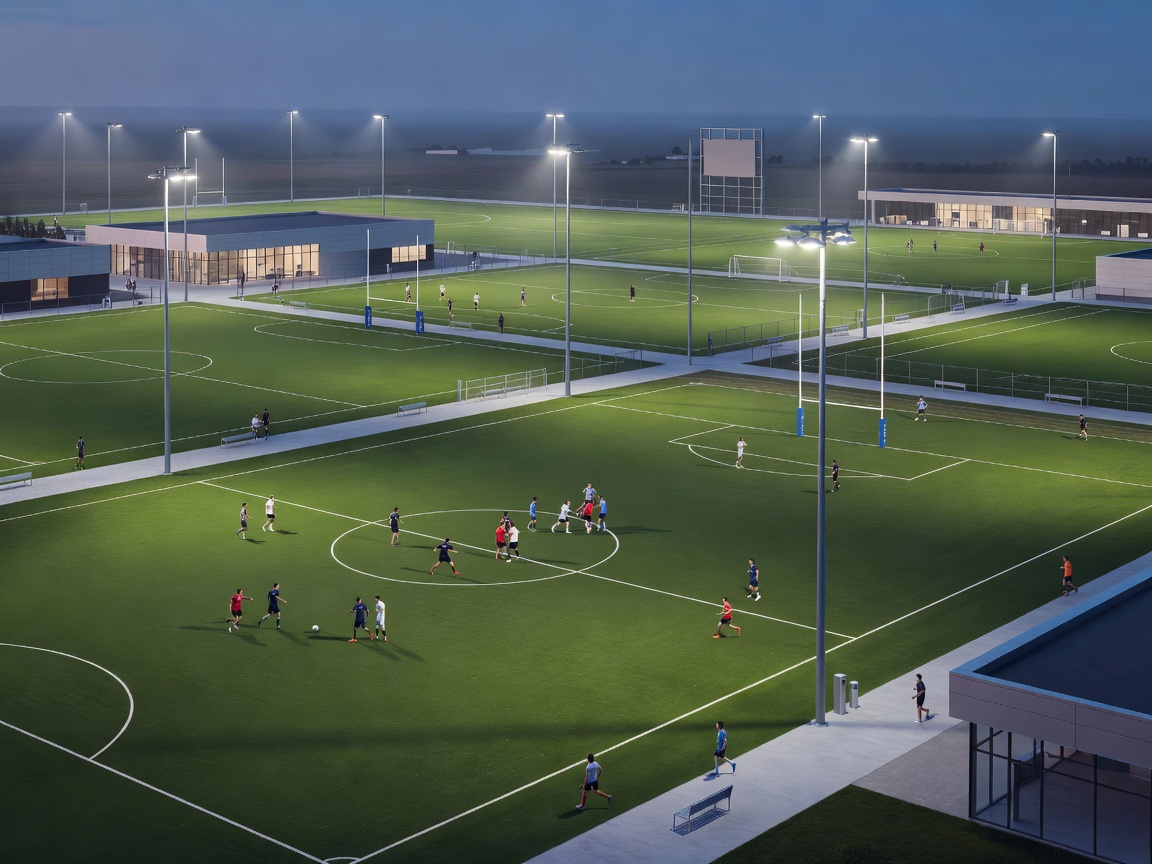
In the older age groups, training increasingly mirrors the demands of professional football. Intensity rises, tactical detail sharpens and strength and conditioning become part of the weekly plan. Players may train with reserve, partner or senior teams — for example, Salzburg players can progress through FC Liefering — to experience the tempo of adult football.
Phase comparison
| Phase | Main focus | Typical content | Role of competition |
|---|---|---|---|
| Foundation | Technique and enjoyment | Small-sided games, ball mastery, coordination | Low — learning first |
| Development | Understanding the game | Positional games, team principles, individual skills | Growing — matches used to learn |
| Performance | Professional readiness | High-intensity sessions, tactics, strength work | High — preparing for senior football |
Training methods you are likely to see
- Rondos and positional games: keep-ball exercises that train passing, scanning and support angles under pressure.
- Small-sided games: reduced numbers and smaller pitches create more touches and decisions per player.
- Pressing and transition drills: exercises that reward winning the ball back quickly and attacking immediately.
- Individual technical work: finishing, first touch, dribbling and position-specific skills.
- Video review: short analysis sessions that help players understand decisions they made in matches.
Physical and athletic preparation
Speed, agility and robustness matter in modern football, but young bodies must be developed gradually. Academies generally introduce movement skills and bodyweight exercises early, and add structured strength training as players mature. Athletics-style sprint mechanics and agility work are common. Clubs such as Benfica and Sporting CP also run athletics sections, reflecting the wider value of running technique and physical literacy.
Basketball, tennis and multi-sport work
The academies in this guide are football academies, but good development principles cross sports. Basketball — offered as a separate section by clubs including FC Barcelona, Benfica, Sporting CP and Bayern Munich — builds spatial awareness and quick decisions. Tennis develops footwork, reaction speed and mental resilience; families interested in tennis should look for specialist programs with qualified coaches, sensible competition schedules and education support. Multi-sport participation in the early years helps prevent overuse injuries and burnout.
Education alongside training
Leading academies schedule training around school rather than the reverse. Players who live on site typically attend partner schools or receive study support, with supervised homework time built into the day. Rest, nutrition and recovery are treated as part of the program, not optional extras.
Pros and cons of intensive academy programs
Pros
- Expert coaching and a clear development plan
- Daily training in a high-quality environment
- Integrated education and welfare support
Cons
- Heavy time commitment at a young age
- Pressure of regular assessment and possible release
- Risk of narrowing interests too early
For a longer view of how these phases fit into a young athlete's life, read our youth development guide.